why I made this.
A mother is her child's first teacher. She just hasn't always been shown what her role is.
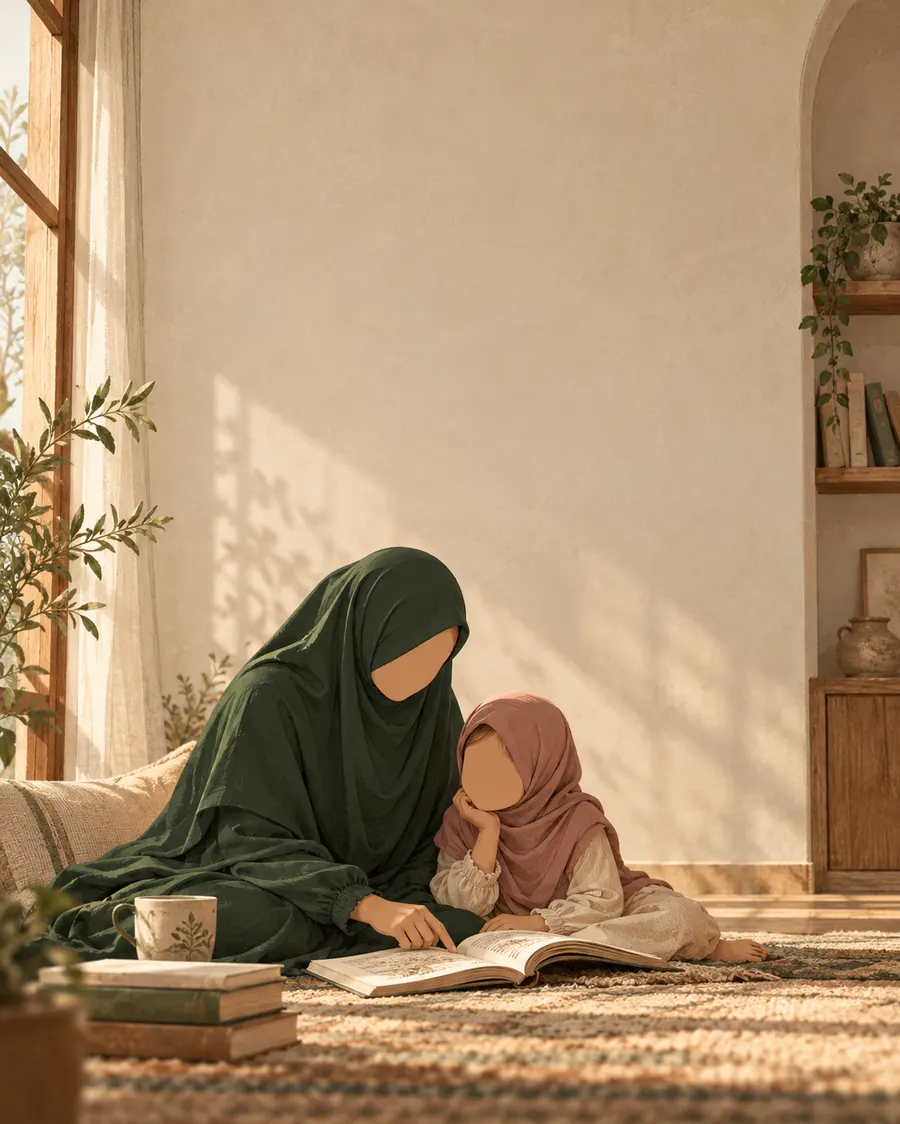
I taught English in MOE schools for five years. I studied linguistics at NTU, which is the study of how language works and how children pick it up. From inside the classroom, I saw how quickly pressure can take the joy out of learning.
I also spent three years as a private General English tutor. That was where it first hit me. I was teaching my students narrative writing, and I kept getting frustrated, because they didn't read books. You can't write stories well if you've never lived inside them.
a reading culture doesn't start in tuition. it starts at home.And I realised there was only so much I could do as a tutor, an hour a week. A reading culture doesn't start in tuition. It starts at home, with what children see their parents do.
That's when I saw what was missing. Many parents handed the whole thing over to me and stepped back, and I understood why. But my lessons couldn't replace the mother. I knew mothers had a role to play. They just hadn't been shown what it was.
A mother is her child's first teacher.
That conviction grew when I decided to homeschool my own children, starting with my firstborn at three. Some of our extended family were against it. I pushed through anyway. Since then, I've truly believed that a mother is her child's first teacher.
This year, my husband and I let her sit for the entrance test for a full-time madrasah. She'd never been to full-time kindergarten to prepare for it. She got a place, and she starts in January.
I'll be honest: I felt proud, and I was distraught. A full-time madrasah asks a lot of a young child, so being ready mattered even more for us. I loved homeschooling her. But with our fourth baby on the way, I knew I couldn't keep giving her everything at home the way I had.
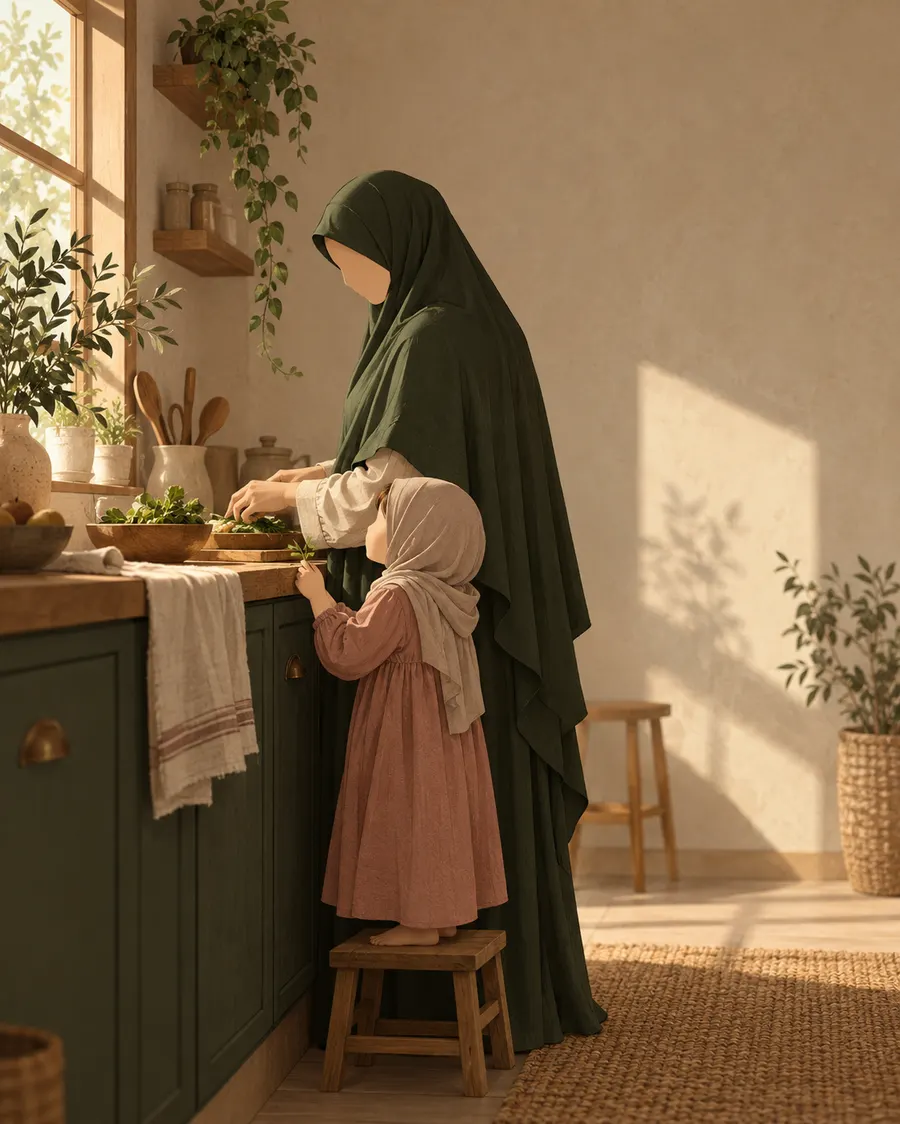
Without drilling. Without pressure.
So this year, I've been doing exactly what you're doing: getting her ready for school. And I've done it the way I believe children learn best, without drilling and without pressure at home. Singapore's school system is already academically demanding, and our children feel that. Home shouldn't become a second round of it.
School teaches the language rules. Home makes the language meaningful.
That's what I do now. I show mothers how to support their child's English from home, without drilling or pressure. You don't need to turn your home into a classroom. You need to know what to do in the small moments, especially when your child gets something wrong.
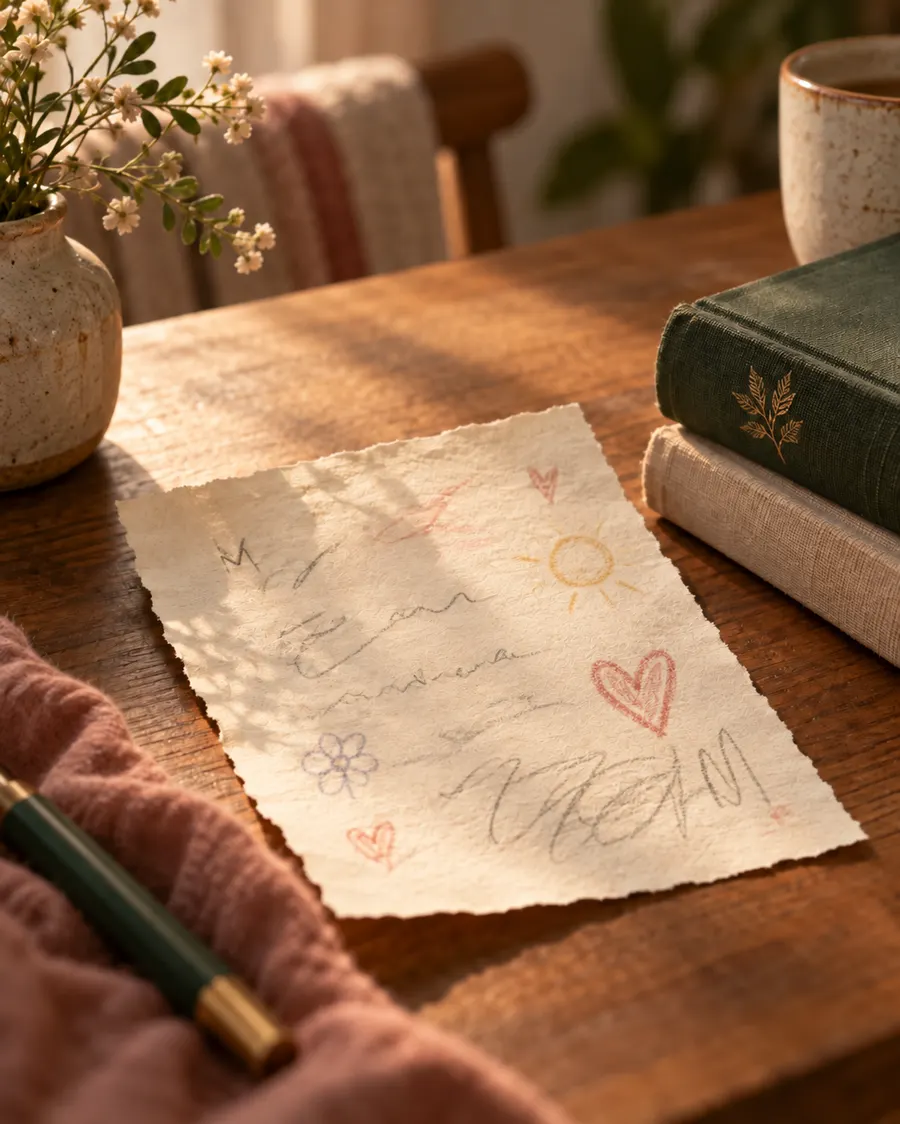
I'm doing it in a language I'm not confident in, too. My Arabic is basic. So I leave her notes with the Arabic words we know, we label things around the house, and I learn alongside her.
The roadmap is what I do with my own children every day. I've made it simple enough to follow at 9pm, tired, with ten minutes to spare.
Filzah
The Notice Method roadmap
For mums of children starting Primary 1. Five weeks, ten minutes a day.
Composition Mastery Program (CMP)
A writing programme for mums of older primary children.
Children's picture books
Stories I write for reading aloud together.